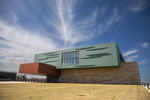

Tulsa, Oklahoma – As Tulsa’s treasured Gilcrease Museum prepares to reopen, the public is being welcomed into the Helmerich Center for American Research where the Helmerich and Payne Inc. gallery is getting a timely refresh.
“Indigenous Independence: America at 250” will allow visitors to experience a new exhibition in the center for the first time since its opening in 2014. “Indigenous Independence” highlights key items in the Gilcrease collection that tell a compelling story about Indigenous influence in the decades leading up to and during the American Revolution. It coincides with a commemoration of the 250th anniversary of the adoption of the Declaration of Independence, which is being celebrated across the country this year.
William Smith, director of the Helmerich Center for American Research, is excited for Gilcrease to join this celebration while adding to the conversation with its own unique perspective, inspired and outlined by the vast collection.
As Gilcrease prepares for its grand reopening in 2027, the exhibit will explore fresh narratives that have long been present in the archive and are just now coming to light through careful reflection. Though small in scale, “Indigenous Independence: America at 250” invites visitors to reflect upon the centrality of Native peoples who shaped the United States as we know it today. It also offers an introduction to the scope and tone of the reimagined Gilcrease, which will highlight the collection in ways that appeal and connect with new and distinct audiences.
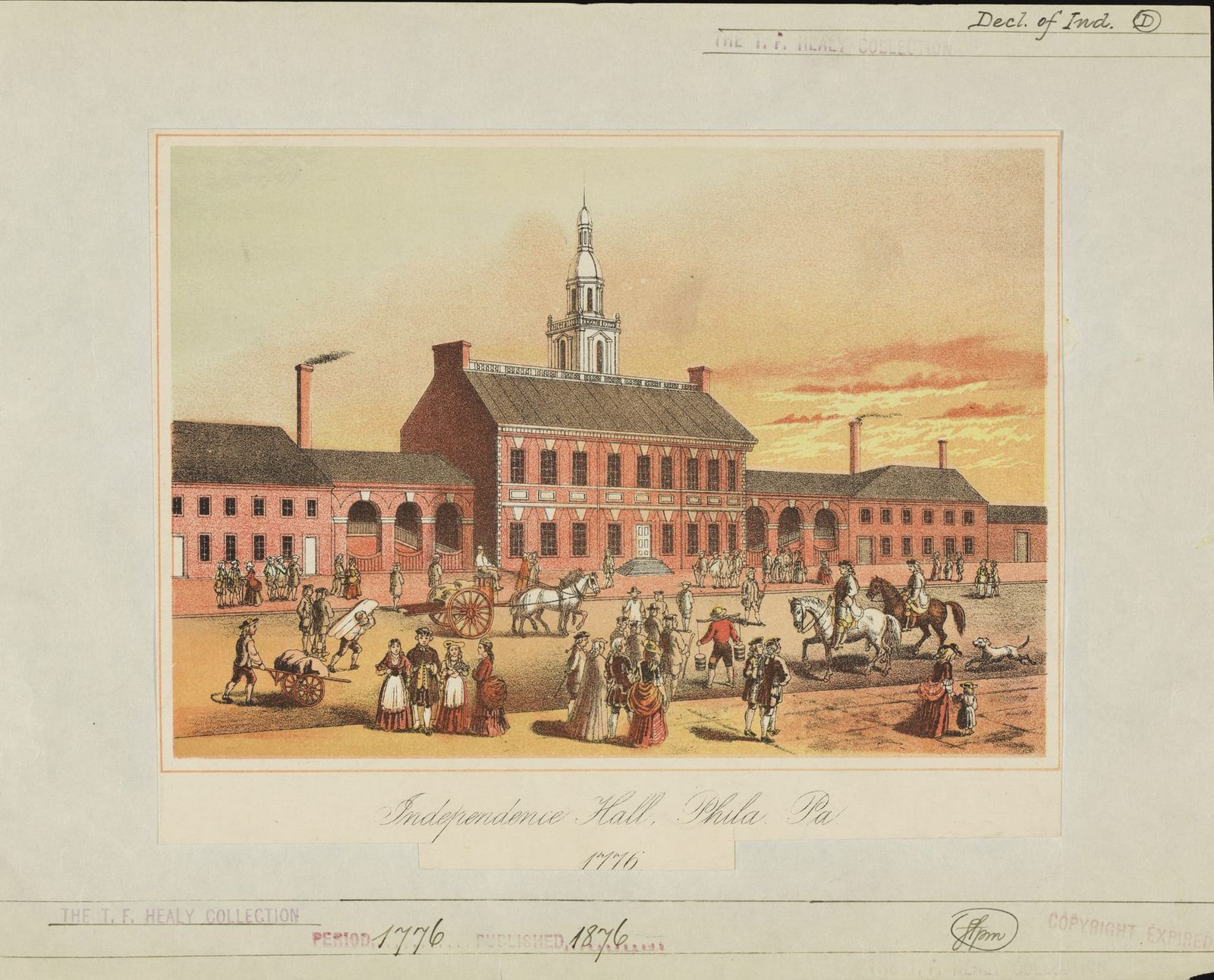
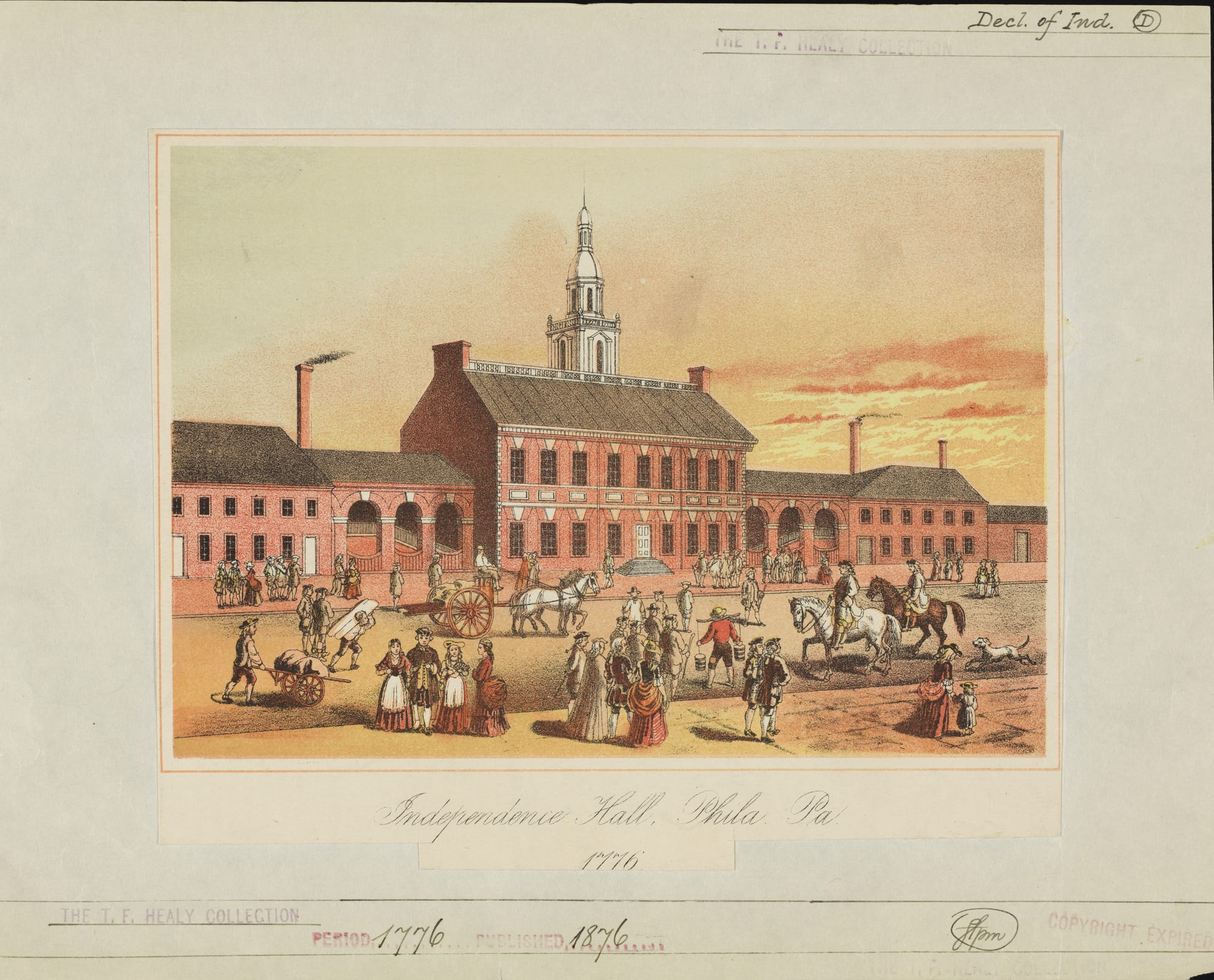
Visitors will have the unique opportunity to view reproduced items that have seldom or never been on display, including rare documents. Among them are the Gilcrease’s own original handwritten copy of the Declaration of Independence, books, maps, peace medals, statues and artworks. The declaration was acquired by Thomas Gilcrease in 1948 via the Freedom Train and will be on view in the reading room on select days with chaperoned and time-ticketed access during the summer.
The Freedom Train toured the country from 1947 to 1949, offering an exhibition focused on American patriotism. The desegregated Freedom Train caused intense moments of conflict during an era when segregation was law and inspired vital conversations about American identity and independence.
The exhibition discusses a variety of poignant topics. Perhaps most significant is the exploration of the term “savagery” as used to describe Indigenous people in the declaration and how the term became a weapon during the American Revolution and beyond.
There will be an opening event on June 11 for Gilcrease members, followed by free public time-ticketed openings from 10 a.m. to 4 p.m. on June 13, June 27 and July 11. These openings will be the only opportunities to see the original Declaration of Independence in person. Register online at https://gilcrease.org/events
In addition to the document viewing dates, visitors are welcome to view “Indigenous Independence" from June 15 through August 7. The Helmerich Center will be open Monday-Friday 10am-5pm, with extended hours on Thursdays until 7pm. (excluding holidays) We will offer guided tours at 10am and 2pm.
About Gilcrease
The Thomas Gilcrease Institute of American History and Art, known as Gilcrease Museum, is known for its comprehensive collection of the art, culture and history of the Americas. The museum, located in Tulsa, Okla., is owned by the City of Tulsa and managed by The University of Tulsa.
Thomas Gilcrease, a citizen of the Muscogee (Creek) Nation, established Gilcrease Museum in 1949. Today, the interdisciplinary collection contains more than 300,000 items that represents hundreds of Indigenous cultures from across North and South America, with material culture and archaeology ranging from 12,000 BCE to the 21st century. The collection includes more than 350 years of American paintings, sculptures and works on paper, including the largest public holdings of art of the American West.