
By Bryce Peltier, Citizen Potawatomi Nation
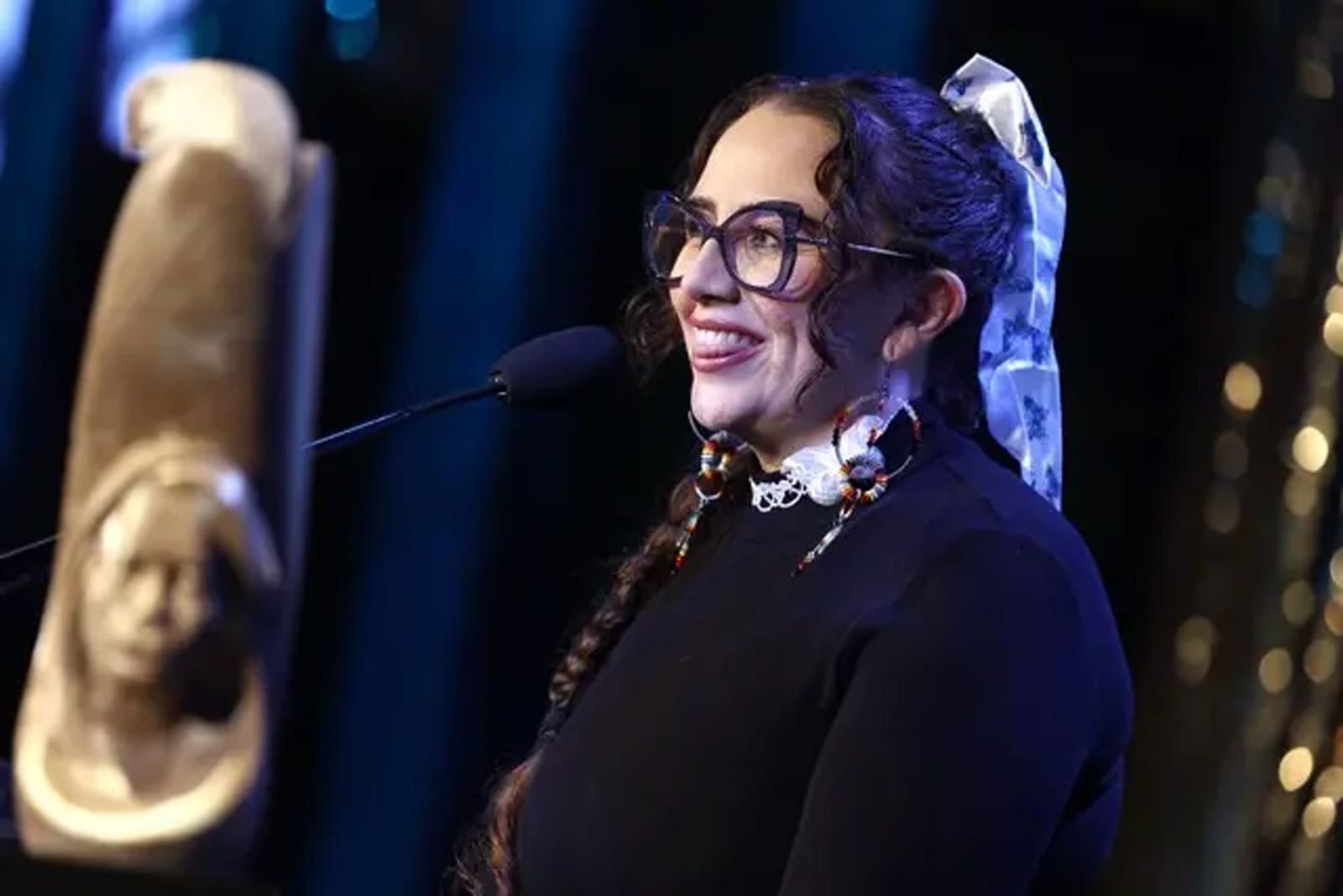
CPN tribal member Cheyenne Skye Branscum was recently named president of the Sierra Club, one of the nation’s most recognized environmental organizations.
“I was still a classroom teacher at the time, but I truly just wanted to do something that would help butterflies,” she said.
Branscum began her career as a schoolteacher in Shawnee before discovering her passion for environmental advocacy through her work in STEM — science, technology, engineering and mathematics.
That passion led her to Advancing Indigenous Science and Engineering Society (AISES), formerly known as the American Indian Science and Engineering Society.
Their whole mission is to get more Natives into STEM,” Branscum said. “I joke that when they hired me, they knew they were going to get some sort of environmental or conservation flair on it. So, all the programs that I’ve designed have that lens.”
Her success in STEM, combined with her commitment to conservation rooted in her Tribal heritage, ultimately led to her election as Sierra Club president. The organization advocates for wildlife conservation, clean energy, community health and environmental protection.
“If there’s something to do with the environment and making the environment better, we are probably in that space. So that can mean legislation. That can mean political work and helping to elect people who will protect the environment. That can mean outings and getting more folks outdoors. That can mean educational programs for students and getting them to learn more about the environment and how to be better stewards,” she said.
Branscum now carries on the legacy of an organization that has existed for more than a century while making history herself. She is the first member of any tribe to serve as president of the 134-year-old organization.
“This mainly started as a wealthy white man organization, right? So, this hasn’t always been an organization that would want Natives in it, much less want a Native leading it,” she said.
Native people have historically been underrepresented in environmental leadership. Branscum hopes her election will encourage more Indigenous voices to pursue careers in conservation and environmental advocacy.
“Realizing that the organization has shifted so much and that, you know, it’s not the organization that started 134 years ago, right? It’s an organization that not only wants to partner with Natives and listen to the original keepers of the land and stewards of the land, but is actually wanting them in the organization, wanting them as their colleagues and their leaders,” Branscum said.
As Branscum settles into her new role, she is also working on a book centered on Native environmentalism. The project focuses on water conservation, and the role Native American women have played in protecting natural resources.
“When I start meeting with the local folks that are involved in protecting the river or the lake or the ocean, they’re not just typically a woman, but often a Native woman,” she said. “Being Potawatomi and witnessing this is very validating, what with the women of our Tribe being the protectors of the Water. I had to tell their stories.”
Branscum plans to focus on increasing fundraising opportunities and expanding student involvement within the Sierra Club. As she steps into her new role, she hopes her leadership will inspire future generations of Native environmental advocates while proudly representing the Citizen Potawatomi Nation on a national stage.