
By Brooke Blach, Gaylord News
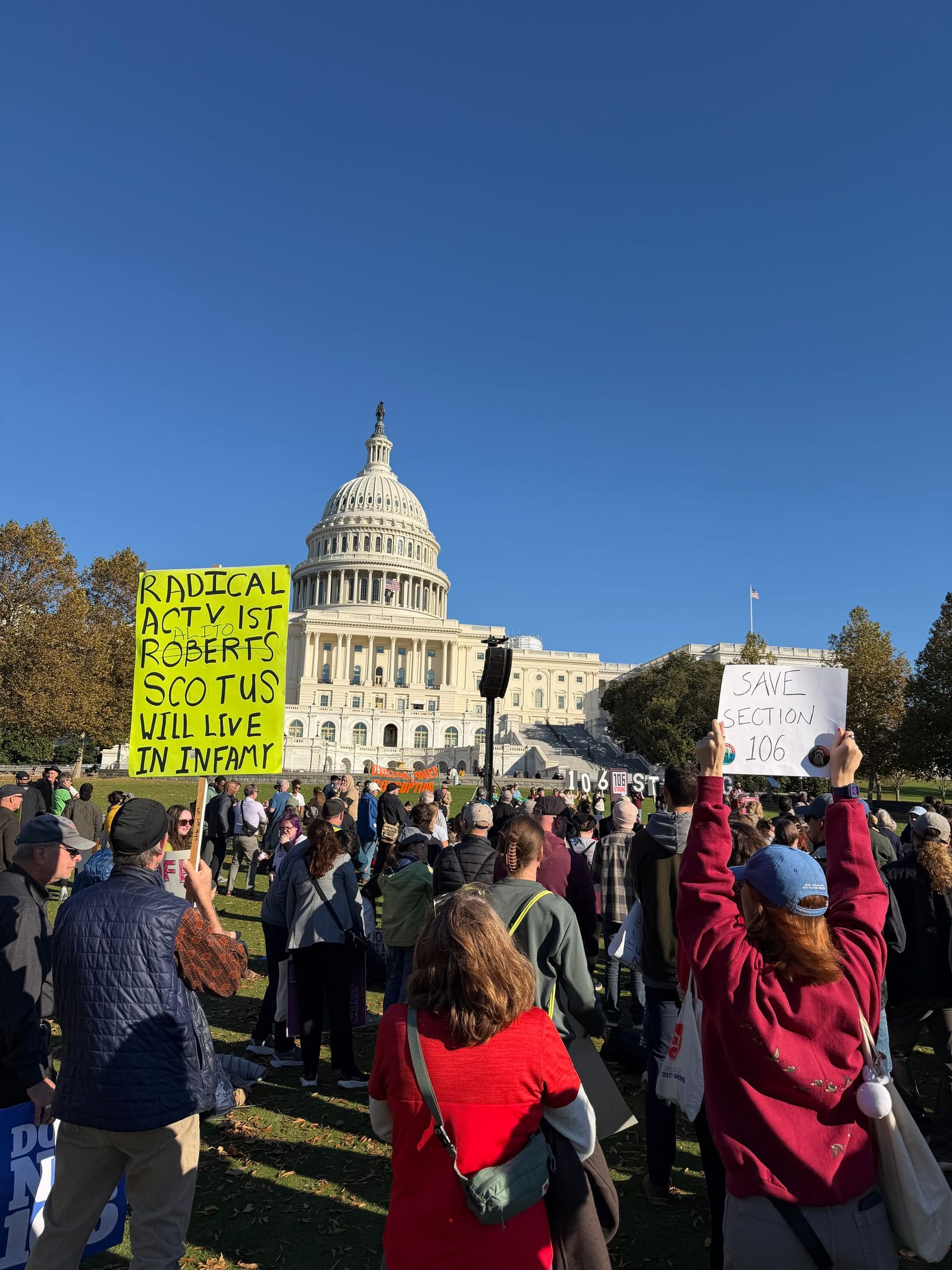
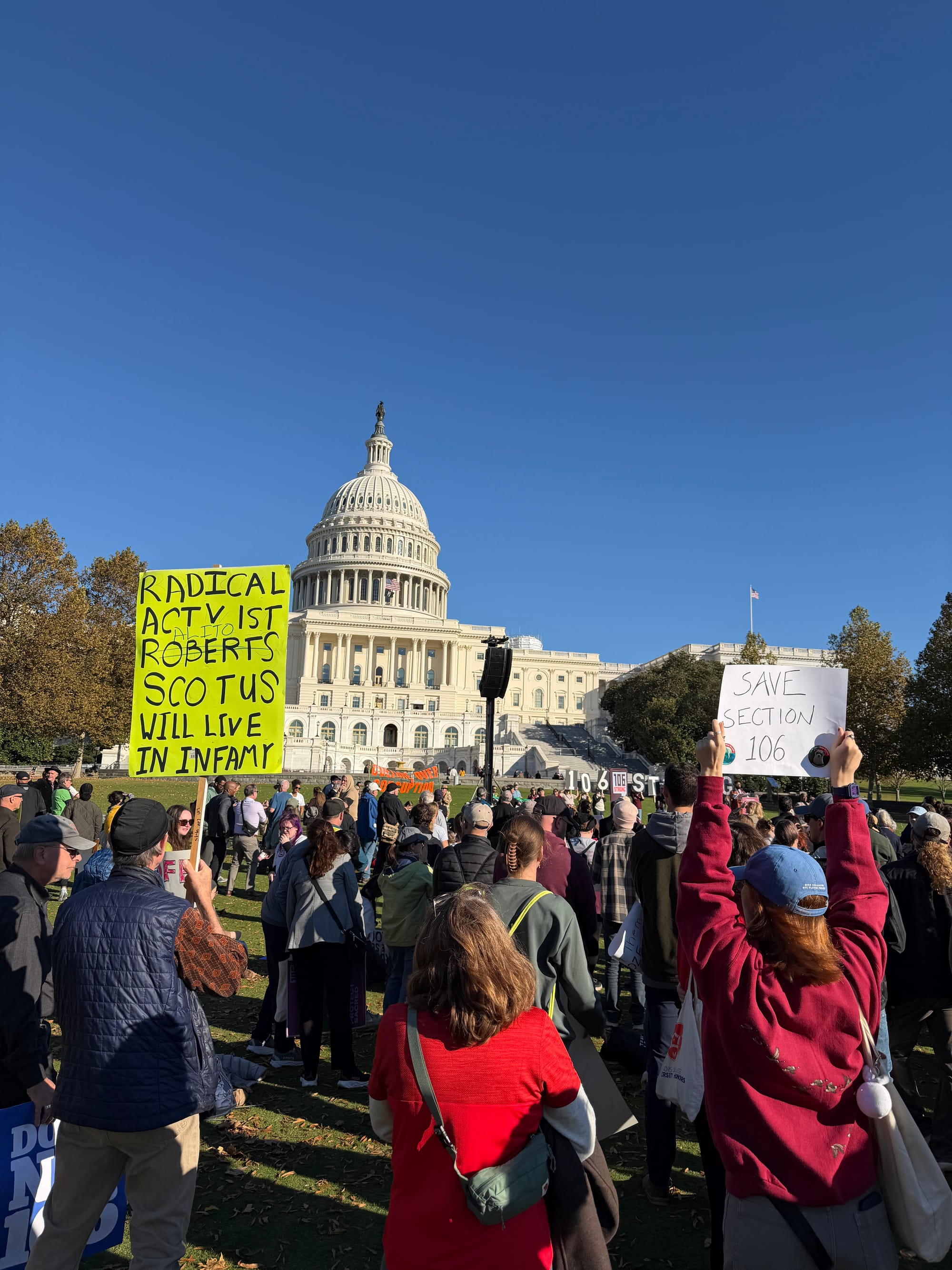
WASHINGTON — Martin Luther King III joined tribal leaders and historic preservation advocates outside the U.S. Capitol on Monday to oppose legislation that could weaken protections for Native American sacred sites and limit tribal involvement in federal development decisions.
The Senate voted 73-25 to advance consideration of the Bipartisan American Affordability and Jobs Act, a bill aimed at speeding up energy and infrastructure projects despite the objections from Native Americans and those opposed to data centers. Tribal leaders warn the changes could reduce their say in federal development decisions and put sacred sites and ancestral lands at risk.
King, the eldest son of civil rights leader Martin Luther King Jr., urged lawmakers to preserve the public's role in decisions affecting historic places, arguing that economic development should not come at the expense of communities whose histories are tied to those sites.
"Do not force Americans to choose between building our future and remembering our past," King said. "Guess what? We can do both."
The legislation, introduced in September by a bipartisan group of senators including Oklahoma Sen. Alan Armstrong, would change Section 106 of the National Historic Preservation Act, which requires federal agencies to consider how projects could affect historic sites and consult with affected communities, including Native American tribes.
King pointed to efforts to preserve an African burial ground in New York City and Native American ancestral sites in Virginia, arguing that historic preservation does not have to prevent development.
"It does not say that we cannot build," King said. "It says that before we build, we must listen."
Leonard Forsman, chairman of the Suquamish Tribe in Washington state, said the proposed changes could weaken tribal consultation and make it harder to protect sacred sites.
"Tribal nations must have a meaningful voice in decisions that could permanently damage or destroy these irreplaceable places," Forsman said.
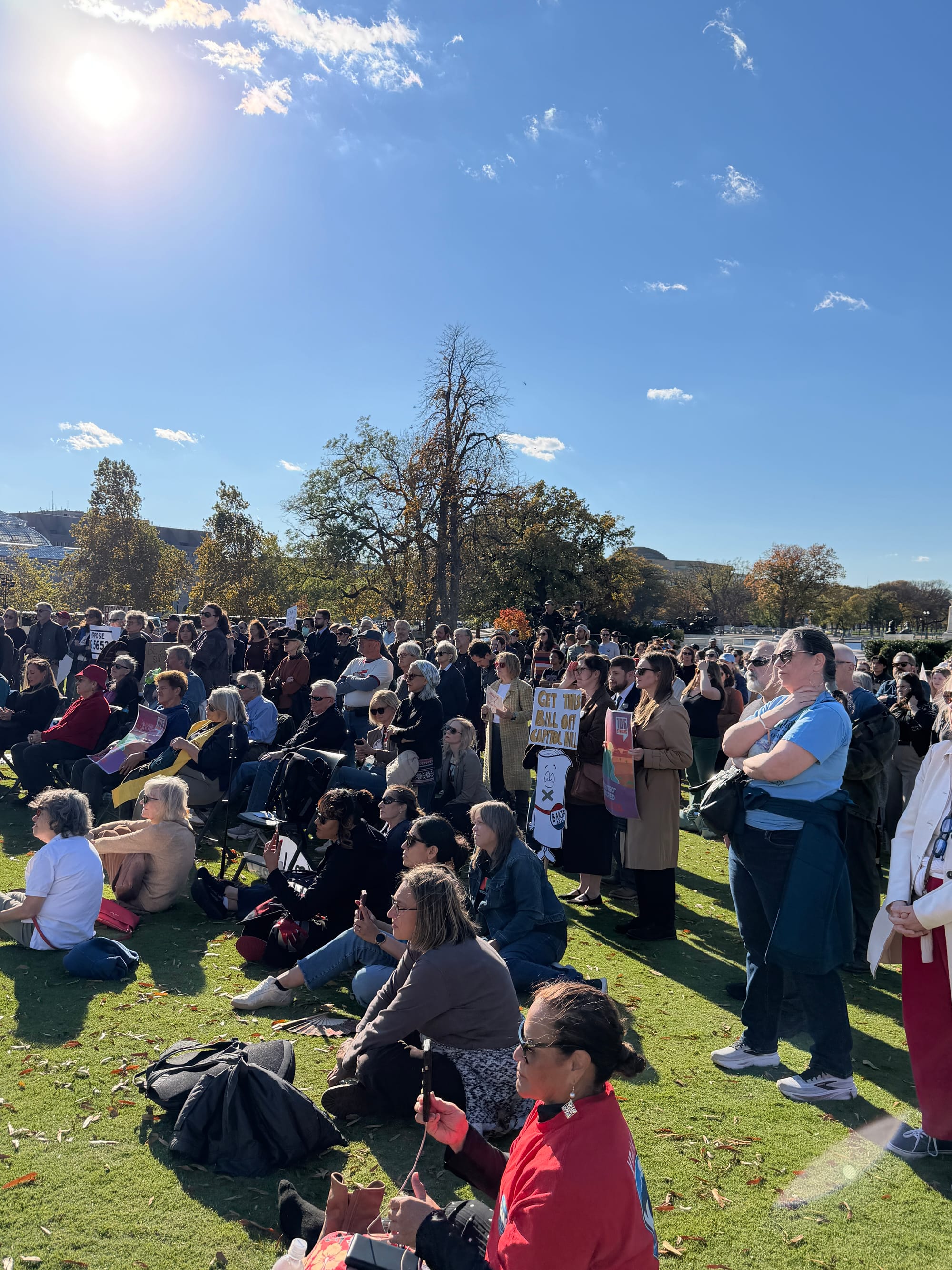
Forsman, a former vice chairman of the federal Advisory Council on Historic Preservation, added that the existing process allows tribes to work with federal agencies to address concerns before development begins.
"Our sacred places are not simply historic properties on a federal checklist," Forsman said. "They are living connections to our ancestors, our identity, and our future generations."
Chief Anne Richardson of Virginia's Rappahannock Tribe also raised concerns about the legislation, pointing to ongoing disputes over development and natural resources on tribal lands.
Richardson said her tribe is fighting a legal battle over water withdrawals from the Rappahannock River, which was named after the tribe. She said the proposed changes could make it harder for Native communities to have a say in decisions affecting their land and resources.
Christopher Moquino, governor of the Pueblo de San Ildefonso in New Mexico, said revisions to the legislation released Saturday still raised concerns about whether tribes would have a meaningful role in federal decisions.
"What good is consultation if our voices are heard only after the most important decisions have already been made?" Moquino said. "And what happens when sacred places are destroyed while we are still fighting to be heard?"
He said tribal nations support responsible development but should not have to sacrifice sacred lands or their role in decisions affecting them.
Supporters of the bipartisan legislation say it would speed up federal permitting, lower energy costs and encourage infrastructure development.
The bill's sponsors, including Sens. Shelley Moore Capito, R-W.Va., Mike Lee, R-Utah, Sheldon Whitehouse, D-R.I., and Martin Heinrich, D-N.M., released a revised version Saturday that they said addressed concerns raised by tribal leaders and other groups.
Heinrich said the revisions would strengthen tribal consultation while helping communities access more affordable energy and create jobs.
However, tribal leaders at Monday's rally argued the changes still did not do enough to protect sacred sites or ensure Native communities have a voice in federal decisions.
King urged lawmakers to remove the historic preservation provisions.
"Progress should never require us to silence the people it's supposed to serve," King said.
Monday evening's vote is a procedural step that would allow the Senate to begin considering the legislation, rather than a final decision on whether to pass it.
Gaylord News is a reporting project of the University of Oklahoma Gaylord College of Journalism and Mass Communication. For more stories by Gaylord News go to GaylordNews.net.