The National Nonprofit Centers Indigenous Voices for Route 66 Centennial with New Digital Tools and Global Guidebook
CARSON CITY, N.V. – As the United States prepares to celebrate the 100th anniversary of Route 66, the American Indigenous Tourism Association (AIT) – the only national organization dedicated to advancing cultural heritage tourism in Native Nations and communities across the United States and its territories, is leading a national movement to shift the spotlight toward the highway’s deep Indigenous origins. By partnering with the Route 66 Road Ahead Partnership, AIT is ensuring that the “Mother Road” is recognized not just as a 20th-century icon, but as a corridor built upon ancient Indigenous trade routes that traverse the ancestral homelands of more than 25 Tribal Nations.
For decades, the Route 66 narrative was dominated by neon diners and roadside attractions that often commodified or misrepresented American Indian culture. Today, the American Indigenous Tourism Association is reclaiming that history, offering travelers a roadmap to authentic engagement with the living cultures that have stewarded this land for millennia.
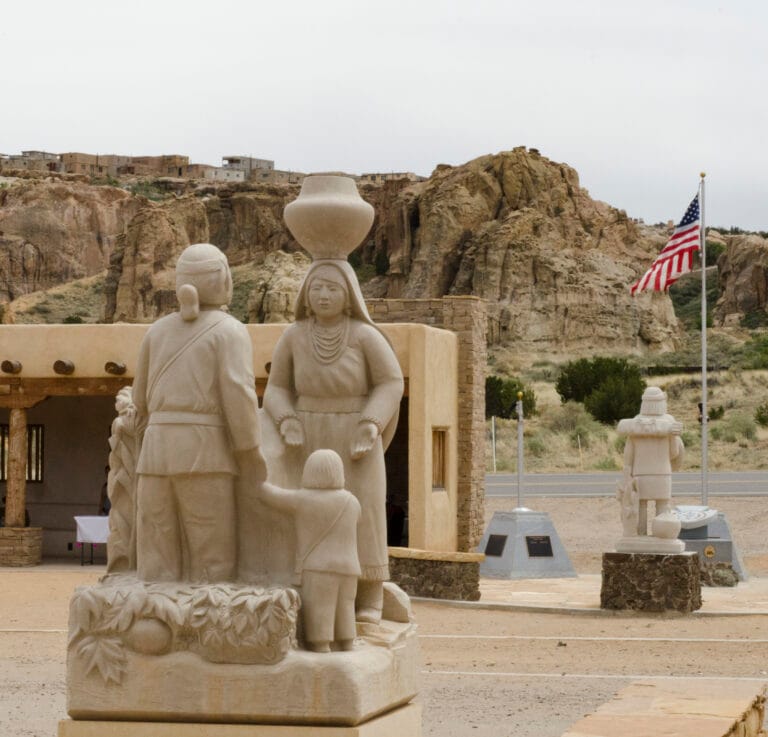
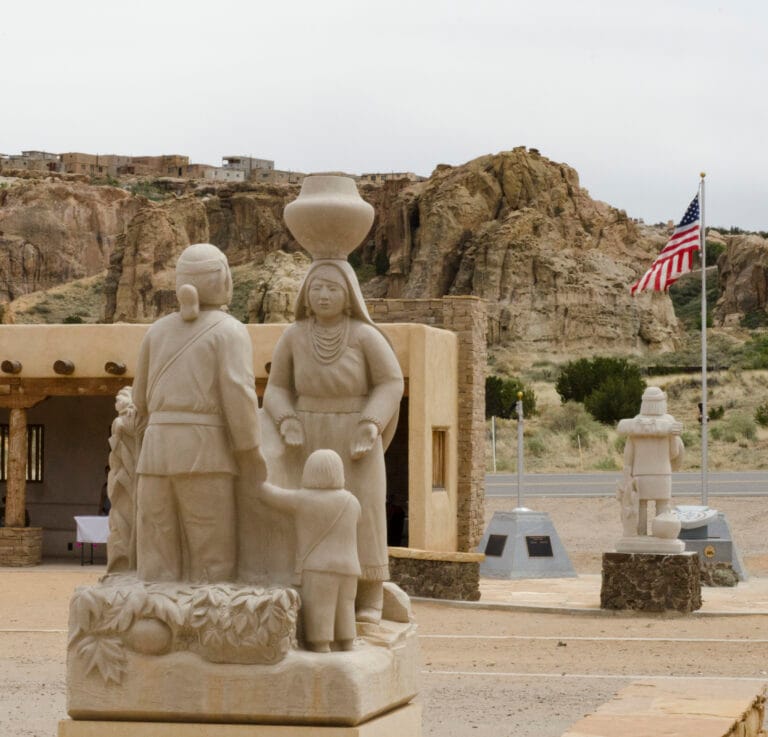
A Sovereign Journey – Over Half of Route 66 is Indian Country: Of the 2,448 miles that make up Route 66, more than half—approximately 1,372 miles—pass directly through Indian Country. From the Pueblos of New Mexico to the Hualapai Nation in Arizona and the 39 distinct Tribal Nations in Oklahoma, the road is a gateway to a vibrant, modern Indigenous landscape.
“As we approach the Route 66 Centennial, we are inviting the world to look beyond the chrome and the stereotypes to see the true heart of this road,” said Sherry L. Rupert (Paiute/Washoe), CEO of the American Indigenous Tourism Association. “For too long, our stories were treated as an afterthought or a marketing gimmick. The American Indigenous Tourism Association is proud to provide the tools for travelers to journey with intention, honoring the sovereignty and resilience of the Native Nations who remain the heartbeat of the Mother Road.”
The Definitive Resource – American Indians and Route 66: At the center of this initiative is AIT’s guidebook, American Indians and Route 66 originally published for the 90th anniversary in 2016. This comprehensive travel guide, created in partnership with the National Park Service and funded in part by the National Park Service Route 66 Corridor Preservation Program, highlights the tribal nations along this historic highway. Produced in consultation with the tribes along the route, the guide serves as a bridge between the road’s romanticized past and its authentic Indigenous present. It provides historical context on the road’s impact—both the economic opportunities and the challenges of land displacement—and offers travelers essential etiquette for visiting tribal lands.
Digital Tools for the Modern Explorer: To support the centennial, AIT has launched dedicated digital resources to help travelers plan their Indigenous-focused road trip:
- Dedicated Route 66 Portal: Visitors can access a wealth of historical materials, trip-planning guides, and educational resources at americanindigenoustourism.org/route66/
- Native American Travel App–Route 66 Map Initiative Designated Official Route 66 Centennial Project: americanindigenoustourism.org/route-66-centennial-project/
- Destination Native America and Route 66 Interactive Map: Through the Destination Native America website (DestinationNativeAmerica.com), travelers can utilize an interactive map to discover Indigenous-owned businesses, cultural centers, and authentic experiences along the Route 66 corridor.
- Route 66 Events: Discover ways to celebrate this road-tripping milestone with Only in Your State, the official publishing partner of the Route 66 Centennial. https://www.onlyinyourstate.com/trip-ideas/usa/route-66-centennial-events
As an Official Route 66 Centennial Project, AIT’s efforts represent a historic shift in American tourism—one where Indigenous voices are no longer just part of the scenery, but are the primary storytellers of the American experience.
“We welcome you to journey with intention—using our guide to discover the authentic stories and contemporary cultures that make the spirit of Route 66 truly timeless,” Rupert said.
For more than 27 years, the American Indigenous Tourism Association has worked to address inequities in the tourism system and has served as the national voice for U.S. Indigenous peoples engaged in cultural tourism, while providing technical assistance, training and capacity building to Native Nations and communities and Indigenous-owned enterprises engaged in tourism, hospitality, and recreation.
Native Nations and communities who are looking to start or expand their cultural tourism footprint can find resources at www.AmericanIndigenousTourism.org and visitors interested in learning more about Indigenous cultural can visit www.DestinationNativeAmerica.com.