
SBA orders 8(a) firms to submit financial records by Jan. 5, raising stakes for tribal contractors
by Brian Edwards, Tribal Business News
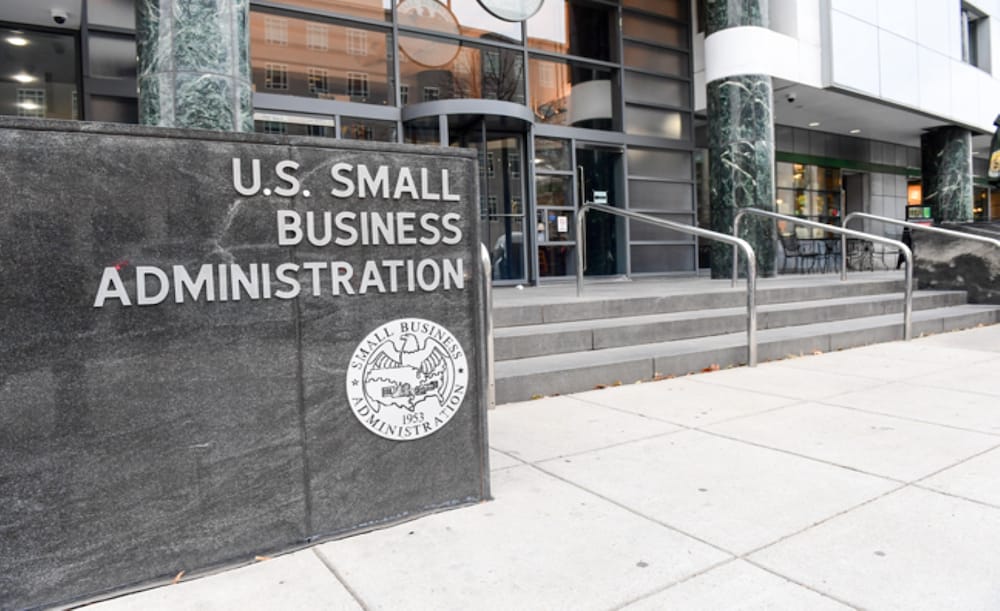
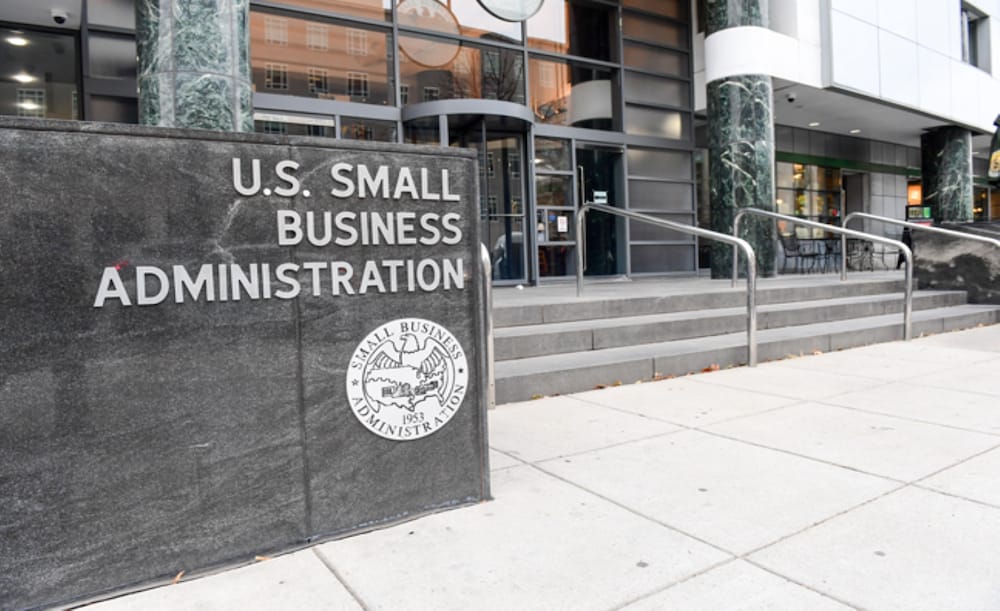
The U.S. Small Business Administration on Friday directed every firm in the 8(a) Business Development Program to submit detailed financial records within 30 days, expanding a federal examination of a contracting system that plays a central economic role for tribes, Alaska Native Corporations and Native Hawaiian Organizations.
SBA sent notices to roughly 4,300 companies requiring three years of general ledgers, bank statements, payroll registers, employment records, and subcontracting agreements by Jan. 5 or risk losing access to the program, according to the SBA’s statement on the matter.
The mandate accelerates an audit SBA launched in June to determine whether some contractors used 8(a) status to obtain sole-source awards while passing most work to other firms. The effort has gained urgency after recent allegations of pass-through structures and bribery schemes in federal procurement.
Native-owned firms are among the largest and most active participants in the 8(a) program, which has become a core source of federal revenue and business growth for tribal nations. With tribal enterprises securing more than $23 billion in contract awards in fiscal 2023, per prior Tribal Business News reporting, SBA is sharpening its focus on how 8(a) firms' structure and perform their contracted work.
That growth is drawing increased scrutiny from federal regulators. In October, SBA suspended Susanville Indian Rancheria-owned ATI Government Solutions from new awards while investigating whether the company improperly subcontracted most of its work. The U.S. Treasury Department separately halted about $253 million in ATI contracts pending an inquiry into similar allegations. ATI has called the allegations “demonstrably false” and said it has “been compliant” with applicable regulations.
Government contracting advisers say Friday’s letters show SBA is expanding the review across the full 8(a) portfolio — including some firms that have already graduated from the program. GovCon Intelligence reported at least one such company received a notice on Friday.
In a post analyzing the request, GovCon Intelligence founder Sam Le said the documentation would allow SBA to examine five areas: compliance with subcontracting limits, mentor-protégé performance requirements, excessive withdrawals by owners, proper benefit distributions to Native communities, and potential bribery or kickbacks.
Those lines of inquiry go directly to the structural features that distinguish tribal and ANC contracting, including the ability to form joint ventures with large federal vendors. Le noted that some 8(a) firms performing as little as 20% of a contract could still comply with existing mentor-protégé and joint venture rules, increasing the challenge of distinguishing legal teaming arrangements from improper pass-throughs.
PilieroMazza, a Washington law firm focused on small business procurement, told clients in a briefing that the document request covers 13 categories and may also extend to firms suspended, early graduated or recently removed from the program. The firm warned that failure to fully respond could lead to suspension, debarment, early graduation, stop-work orders on existing contracts or liability under the False Claims Act — which carries potential treble damages.
Industry groups have urged SBA to balance enforcement with the program’s economic development goals. In an earlier email to Tribal Business News, the Native American Contractors Association said the Native 8(a) model “creates jobs, drives economic opportunity, and strengthens Native-owned small businesses,” particularly in rural regions.
SBA has not indicated whether the audit will result in changes to regulations governing tribal and ANC firms. For now, Native contractors face a compressed reporting deadline and deeper scrutiny of ownership control, community benefits and subcontracting structures that have long defined their participation in the federal marketplace.

Flying for the holidays? Tribal IDs still accepted at TSA checkpoints

by Sierra Pfeifer, KOSU
Tribal nation citizens can still use identification cards issued by federally recognized tribes to travel by plane, even as new federal Real ID requirements continue to roll out at airports.
This year, the government began requiring Real IDs, which are federally compliant state-issued driver’s licenses, learner’s permits or nondriver IDs, for air travel. Government officials said the change enhances security and creates a consistent standard for state-issued documentation.
But Real IDs aren’t the only option. Other identity documents, like passports and tribal identification cards, are also accepted at Transportation Security Administration checkpoints.
While tribal IDs are not classified as Real IDs, they are federally recognized documents. To be valid for domestic air travel, they should include photo identification and be scannable.
Travelers using tribal IDs will avoid the new $45 screening fee that will soon be required for passengers flying without a Real ID.
Sarah Adams, a registered member of The Choctaw Nation of Oklahoma, said she hasn’t had any trouble flying with her tribal ID, though it sometimes takes extra time to verify.
“It kind of differs depending on what airport you're in, if they question it, and how they do that,” she said.
Adams said TSA agents often call over a manager to take a look, or they might cross-reference her ID with a list of tribes in the Federal Registrar.
Many Oklahoma tribes are listed in the “T” section of the alphabetical list, including “The Choctaw Nation of Oklahoma.”
Some tribal nations recommend passengers carry another form of identification as backup because TSA agents have the authority to question or reject IDs they cannot validate under Homeland Security standards.
But Adams said she often chooses to present her tribal card instead of another ID, even if it takes a little bit of extra time. She said her tribal identity is important to her, and using her ID reinforces tribal sovereignty.
“I actually really like it, honestly, whenever somebody goes, ‘wait, what is this?’” she said. “It means that there’s somebody else that’s learning that these identifications tie back to our tribe.”
Tribal IDs are unique to each nation but give tribal citizens access to Indian Health Service clinics and housing and educational programs. The cards are considered a key tool for exercising civic duties, like voting. They strengthen cultural identity and support a tribe’s ability to secure federal funding.
Adams recommends that tribal citizens flying this holiday season bring their IDs with them to the airport.
“It's just an important way for us to really strengthen sovereignty and be able to spread more awareness that, you know, these are important ways that we identify ourselves as tribal citizens and that we are sovereign nations with our own systems,” she said.

Southern Documentary Fund Awards Local Native Filmmaker in Production Grant
Durham, N.C. – Southern Documentary Fund (SDF) has selected seven projects to receive a total of $15,000 each in production grants. Recipients include a diverse group of filmmakers from across the American South, with awards going to first-time, emerging, and established makers with projects in-production.
The 2025 SDF Production Grant cycle is made possible thanks to generous support from the John D. and Catherine T. MacArthur Foundation, JustFilms | Ford Foundation, and Wyncote Foundation.
“The South is home to so many talented filmmakers telling powerful and nuanced stories,” said Southern Documentary Fund Executive Director Clint Jukkala.
“Funding is critical to helping these artists realize their projects, and it’s an honor to recognize these seven films, selected from an abundance of outstanding submissions.”
SDF received nearly 200 applications from all 12 states in its region, including projects from both new and established filmmakers. This year’s grantees tell a wide range of stories with themes encompassing art, politics, human rights, sports, music, climate change, and issues deep within the American South. In addition to financial support, filmmakers will receive ongoing assistance through SDF’s Mentorship program.
“We’re thrilled to support these remarkable documentaries that capture the spirit and stories of the American South,” said Southern Documentary Fund Artistic Director Christopher Everett.
“We look forward to accompanying these filmmakers on their journey as they bring their visions to life.”
The complete list of grant winners and the focus of their documentaries are listed below and can also be found here.
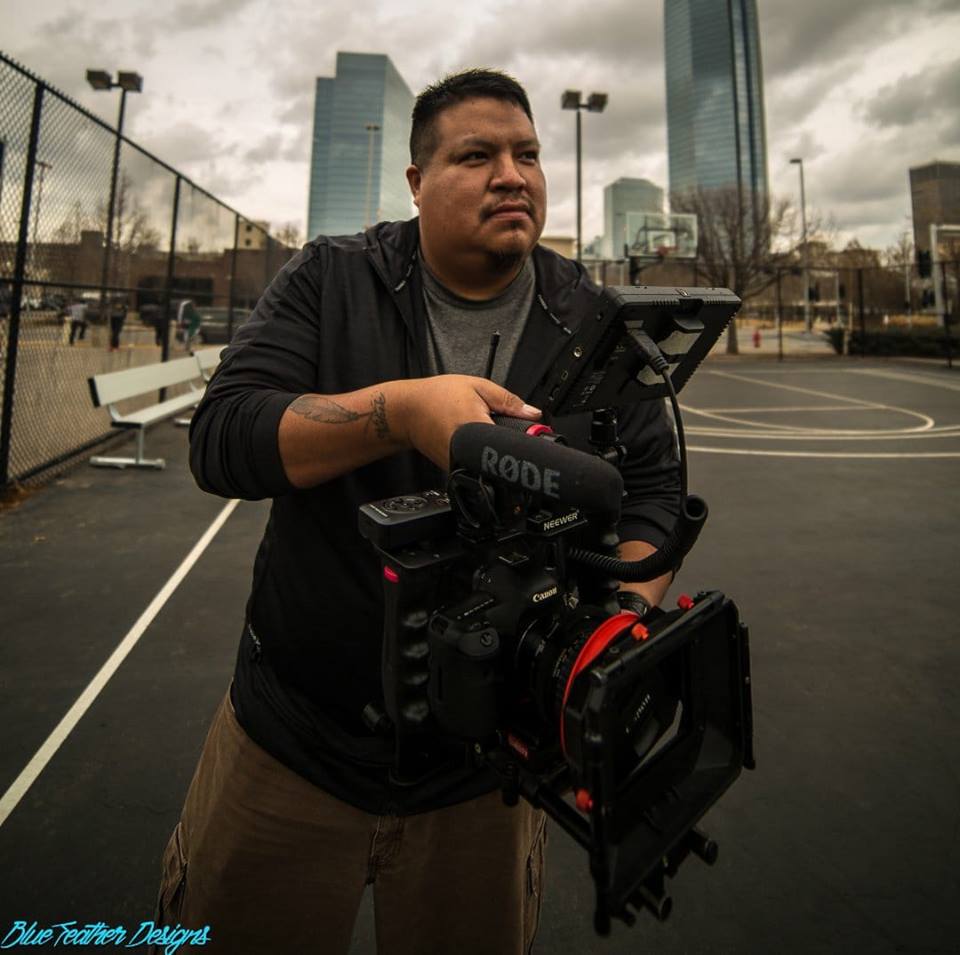
Mark Williams who is a Choctaw filmmaker and a 2023 inductee into the North American Indigenous Athletics Hall of Fame for Media with 11 years of experience in documentaries focusing on Native stories.
STICKBALL: THE LITTLE BROTHER OF WAR | Mark Williams, An underdog women’s team must come together to defeat the incumbent champions in the World Series of the oldest and bloodiest sport in America: Native American stickball. Traveling to the heart of Mississippi, the team combats cultural differences and Goliath-sized competitors in their journey to win the grand prize Drum.