
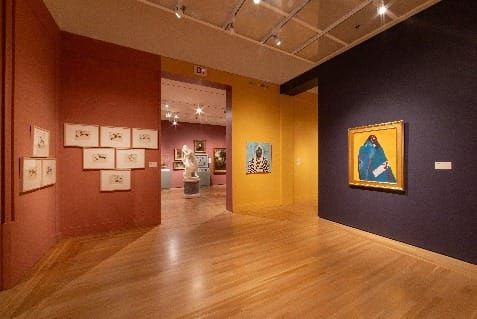
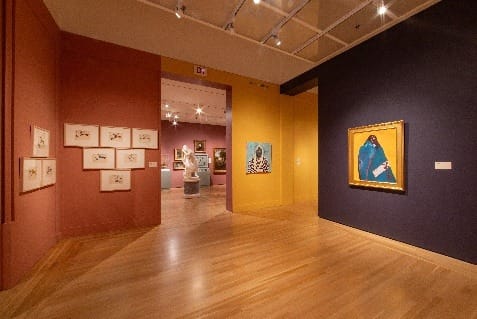
LOUISVILLE, Ky. – The Speed Art Museum, the largest art museum in Kentucky, marked an important moment in its history last week with a public program about the Museum’s first return of 24 sacred and cultural belongings to Native communities under the federal law known as NAGPRA.
That August 19 public program, which was open to the public, offered a rare opportunity to hear directly from Tribal representatives about why these returns matter and what they mean for Native communities today.
NAGPRA is a federal law that requires museums and other institutions to review certain Native American human remains, sacred objects and cultural belongings in their collections and work with Tribal communities toward their return.
The Speed’s first repatriation is significant not only because it marks an institutional milestone, but because the process is about much more than returning items. It is also about restoring relationships, respecting the importance of these belongings and supporting healing within the communities to which they belong.
“Meeting with Tribal representatives has allowed us to build relationships, listen and learn directly from the communities connected to these belongings,” said Sirene Martin, the Speed’s Assistant Curator and NAGPRA Coordinator.
The Speed program included a recessional ceremony and sparked a thoughtful conversation between Chester Whiteman and Fred Mosqueda, tribal representatives of the Southern Cheyenne and Arapaho Tribes. Martin led the conversation with Erika Holmquist-Wall, Chief Curator and Mary and Barry Bingham Sr. Curator of European and American Paintings and Sculpture.
In addition to learning about the repatriation process, visitors learned more about the responsibilities that museums have to the communities connected to their collections.