
By Troy Littledeer | @troylittledeer
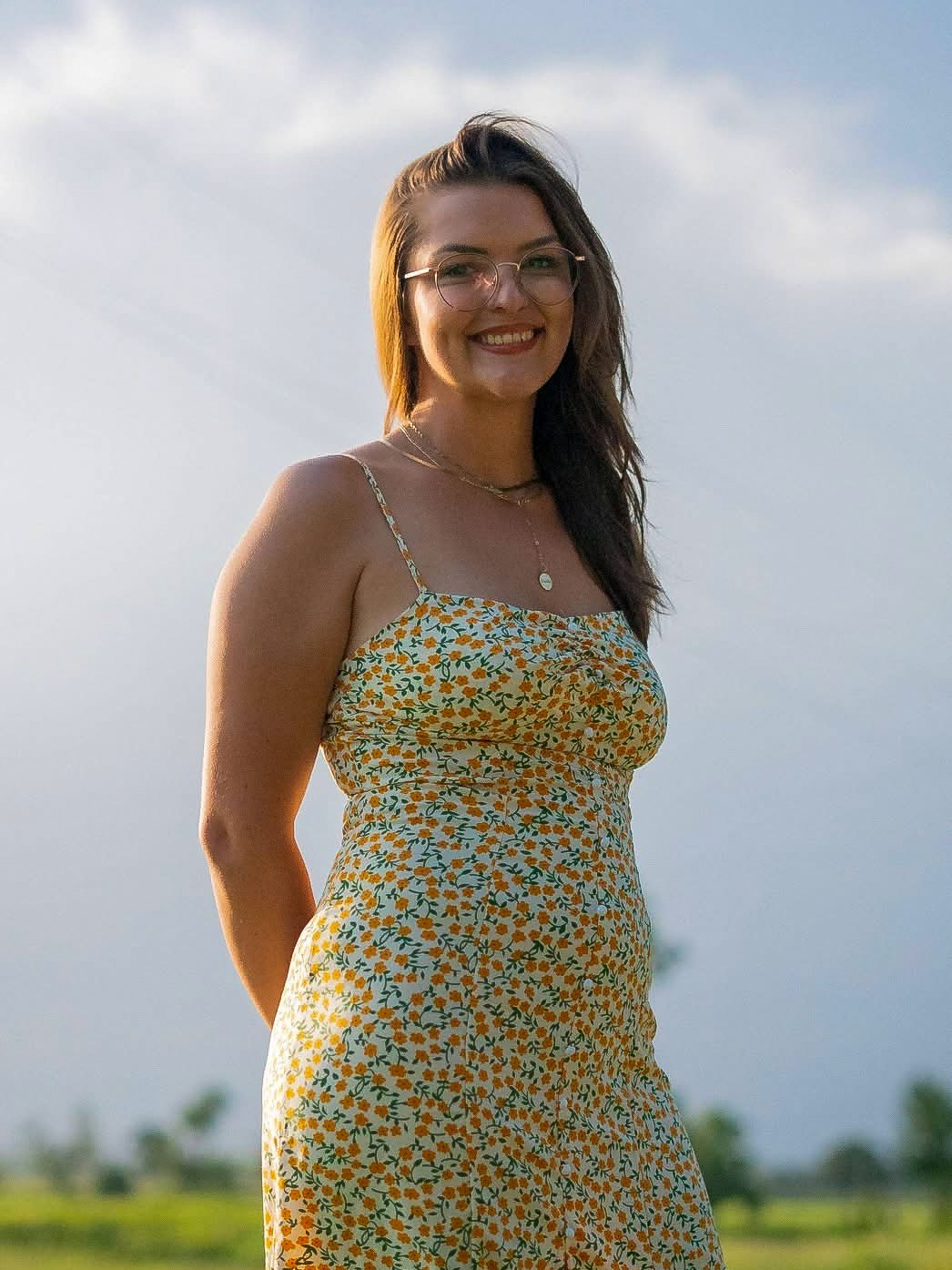
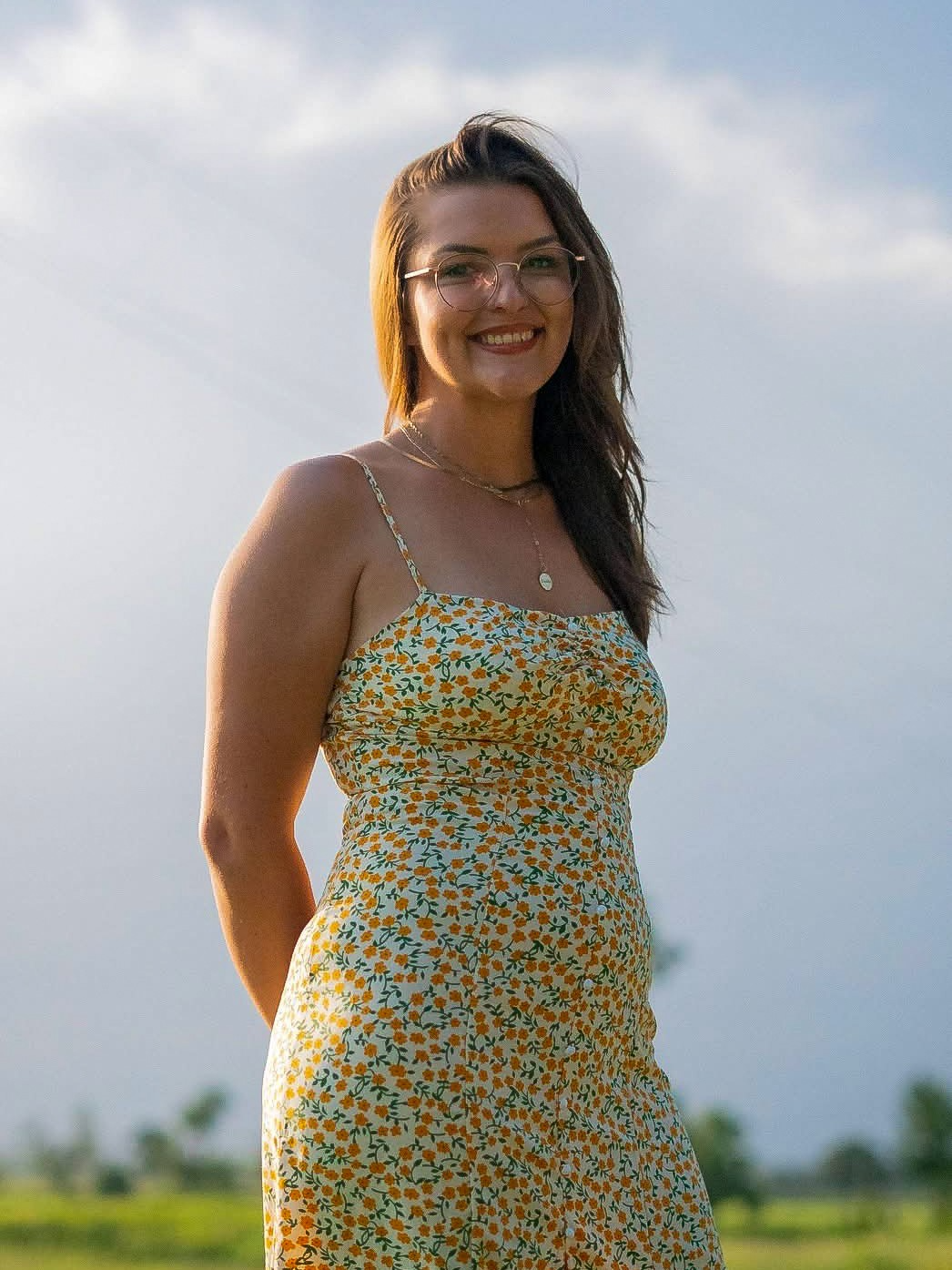
ROSE, Okla. — Her father has been gone since 2024. She moved back onto his land after his death — ground near Teresita, outside Rose in Cherokee County, not far from Tahlequah, where she was born at W.W. Hastings Hospital. Now 33, she’s the Democratic nominee challenging Republican Rep. David Hardin, who has held the House District 86 seat since 2018. In the last conversations she and her father had, before he passed, they talked about her fears as a woman — about rights she’d grown up assuming were settled, that suddenly didn’t feel settled anymore under the Trump administration. That fear weighed on him.
“Women are just better,” he told her, more than once. “Their reflexes are quicker, their minds are stronger and their hearts are bigger than any man’s.”
She says she knew then she had to run. She says she knows he’d be proud.
The moment that actually put her name on a ballot came from somewhere more specific than grief.
“When I became aware of the school voucher program and how it is mostly utilized by wealthy individuals is what solidified my decision to run for elected office,” Cole said. “Witnessing that transfer of wealth from Oklahoma’s bottom to the top was when I decided enough was enough.”
She’s a nurse — has been since she was 19. Licensed practical, trained in home health and phlebotomy while she was still a junior in high school through the Indian Capital Technology Center, finishing the practical nursing program the year after graduation. That’s the lens she brings to “access to health care” — not a policy phrase, but the drive time.
Families in this district travel long distances just to see a doctor. Cole doesn’t have a bill number yet for fixing that. What she has is where the money should come from: closing the tax breaks that let the state’s wealthiest corporations and individuals skip their share.
“I do not believe in burdensome taxes, but I do believe in fair taxes,” she said. “When productive members of society pay their fair share, we all benefit. Rural areas included.”
Out past the highway, the poultry houses run the rhythm they’ve always run, and Cole grew up inside that rhythm — the growers, the contracts, the tournament-style pay that rewards one farmer over the neighbor next to him.
“The litigation between Big Ag and our state is something I am proud to see,” she said, of the state’s 21-year lawsuit over the Illinois River watershed. Hardin initially urged Attorney General Gentner Drummond to withdraw the lawsuit outright after a federal judge rejected the state’s first settlement offer in April; in August, the Tenth Circuit stayed the underlying judgment in light of a new settlement Drummond struck with all six poultry companies, sending the case back to district court.
Under that settlement, the companies will pay $41.671 million into an environmental relief fund, $420,000 in penalties to the Oklahoma Department of Environmental Quality and $1.9 million for an independent compliance monitor, while phasing down litter application in the watershed over seven years.
Cole’s own read stays closer to enforcement than to the lawsuit’s fate.
“We have the laws that say you cannot do this,” she said, “but we do not have any form of enforcing said law.”
She’d have voted no on HB 4118, the 2024 bill Hardin authored that would have granted poultry operators immunity from nuisance liability for waste application under an approved management plan — language that ultimately passed as part of a separate bill, signed into law that May. She wants the processors — Tyson, Pilgrim’s, George’s — covering the cost of containment, not the family whose name is on the land and the risk.
She’s shown up at community meetings opposing the proposed aluminum smelter in Inola and the data center planned for Okmulgee County. If she wins, her first bill starts in the classroom.
“Remember schoolhouse rock? Knowledge is power,” she said.
Investing in Adair County, and the rest of District 86, in her telling, starts with funding rural schools well enough that kids have a real path out of the district’s poverty, not just a diploma that says they finished. She’s shown that concern for students outside a campaign stop, too, answering interview questions from a 10-year-old at Rocky Mountain School — a kid who raises and sells his own eggs and wanted to know what happens to his setup if the poultry industry takes a hit.
She answered his questions about broadband, about homework that depends on a connection that doesn’t reliably reach the house, and about parents who end up driving a sick kid somewhere far away because there’s no hospital nearby. The interview went viral on TikTok.
Cole wasn’t expecting to have company on the Democratic primary ballot.
“I constantly asked others if they had heard of anyone wanting to run,” she said. “All I heard was crickets.”
What she got instead, unprompted, was Sally’s List — the Oklahoma group that backs Democratic women running for office. She met their Rena Cook at a Panera in Tulsa, was handed what she calls a “candidate check off list,” and got the group’s support without them asking for anything back beyond where she stood on women’s rights.
“They invited me with open arms,” she said.
Since then, most of the campaign has come down to knocking on doors, one at a time, across a district where the houses sit far apart.
She’s a Cherokee Nation citizen, and she’s careful about a distinction that matters to her: people keep asking if she has “the support of the Nation.” Nobody asks if she has the support of Native communities — the families raising kids and driving elders to appointments and watching creek water they can’t fully trust anymore.
“That’s a big difference,” she said.
She’d rather be asked about the people living with those issues. It shows in how she carries herself at powwows she’s attended for years, long before this campaign started.
If November doesn’t go her way, she says the campaign still won’t have been for nothing — the relationships, the conversations, a perspective she didn’t know she needed. And she says she’ll go to law school, so she can help elders protect what they spent their lives building.